
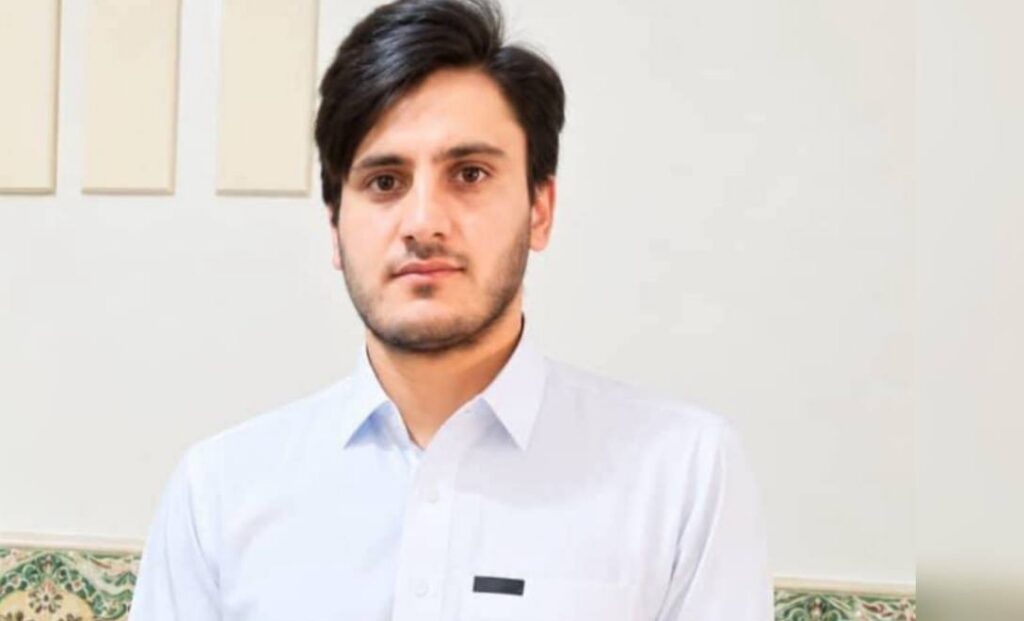
Disabled Baluch Fuel Carrier Killed by Direct Military Fire on the Bandar Abbas Route
On Tuesday, October 6, 2026 (Mehr 14, 1405), a Baluch fuel carrier with a physical disability lost his life in a tragic manner after forces from the “Relief Unit” (a police rapid-response force) opened direct fire on his vehicle on the Bandar Abbas route, causing it to overturn and catch fire.
The deceased fuel carrier has been identified by Baloch Media as Ali Barahouei Zirkari, 33, son of Reza. He was married, a father of three daughters, and a resident of Madeh Kariz village in Zabol County.
According to information received from local sources, Relief Unit forces opened direct fire—without prior warning—on the fuel carrier’s vehicle at the entrance to the city of Bandar Abbas in Hormozgan Province. Following the impact of the bullets, the vehicle veered off the main road, overturned, and caught fire; the explosion and blaze were so intense that his body was completely incinerated.
Informed sources state that despite his physical disability, Ali Barahouei had been forced into fuel smuggling in Hormozgan Province due to extreme poverty and the inability to cover the heavy costs of living and medical treatment. One of his young daughters suffers from a kidney disease and is under the care of a specialist; the monthly cost of her medication and treatment amounted to several million tomans.
After his body was handed over to his family, the deceased fuel carrier was laid to rest in his hometown, Madeh Kariz village in Zabol. With his death, his three daughters—including the sick child—have lost their family’s sole guardian and breadwinner. It is worth noting that, according to annual reports by Baloch Media, the indiscriminate, direct firing by military and law enforcement forces at the vehicles of fuel carriers in the provinces of Sistan and Baluchestan and Hormozgan results in the death or injury of dozens of Baluch citizens each year—individuals who turn to the high-risk trade of fuel smuggling out of necessity, driven by a lack of employment opportunities and structural poverty.