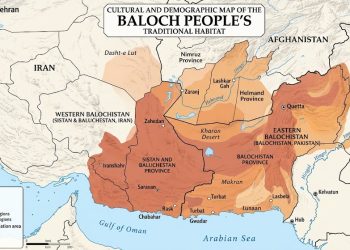








When it comes to women’s rights in Balochistan, a province of Pakistan, the situation is quite complex and challenging. Women in Balochistan face numerous obstacles that hinder their access to education, healthcare, and employment opportunities.
These barriers not only limit their personal growth but also contribute to the perpetuation of gender inequality in the region. In Balochistan, traditional societal norms and cultural practices often restrict women’s freedom and autonomy. This can manifest in limited educational opportunities for girls, early marriages, and a lack of decision-making power within families. As a result, many women in Balochistan are unable to pursue their dreams and aspirations, leading to a cycle of inequality and disembowerment. One of the key issues affecting women’s rights in Balochistan is the lack of access to quality healthcare services.

Women in remote areas often face challenges in accessing essential healthcare facilities, leading to higher maternal mortality rates and limited reproductive health services. Addressing these healthcare disparities is crucial in ensuring the well-being and rights of women in the province. Furthermore, economic opportunities for women in Balochistan are limited, with many facing barriers to entering the workforce or starting their own businesses.
Empowering women economically not only benefits them individually but also contributes to the overall development and prosperity of the region. By providing women with the necessary support and resources to engage in economic activities, we can help break the cycle of poverty and create a more inclusive society. To address these challenges and promote women’s rights in Balochistan, it is essential to raise awareness, advocate for policy reforms, and support initiatives that empower women. Education plays a vital role in empowering women and breaking down societal barriers. By investing in girls’ education and promoting gender equality in schools,
we can create a more equitable society where women have equal opportunities to succeed. Additionally, community-based programs that focus on women’s health, economic empowerment, and legal rights can make a significant impact in improving the lives of women in Balochistan. By working together to dismantle systemic barriers and promote gender equality, we can create a more just and inclusive society where all women have the opportunity to thrive and fulfill their potential. Let’s stand in solidarity with the women of Balochistan and advocate for their rights and empowerment.